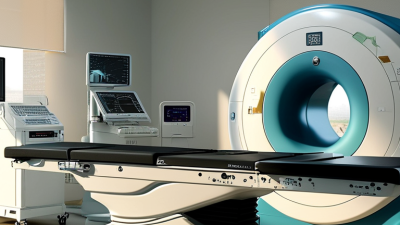
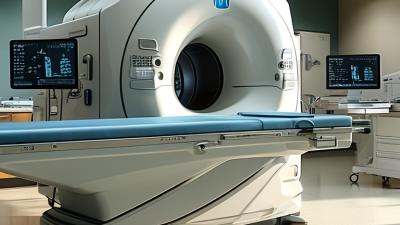
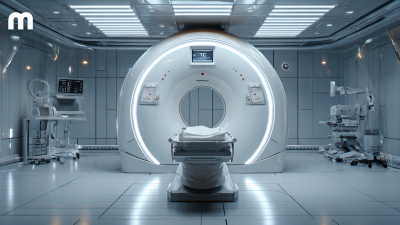
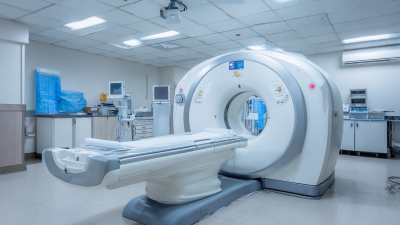
In 2026, a CT scanner rental can help healthcare providers manage rising patient volumes, equipment downtime, or temporary imaging needs. The right option depends on more than the monthly price. Buyers should compare scanner configuration, image quality, installation requirements, service coverage, and contract length. A unit that fits one imaging department may not suit another. Patient volume, available room space, power supply, and staff training all affect the decision.
When comparing providers, ask what the quoted rate includes. Delivery, installation, applications training, preventive maintenance, and technical support can change the total cost. Confirm the scanner’s condition, software capabilities, and expected availability before signing an agreement. Rent Ct Scanner searches should lead to specific questions, not just a list of prices. Request written details about response times, replacement options, and fees for extending or ending a rental. Small terms matter.
Short-term rentals may suit a renovation or unexpected outage, while longer arrangements can support planned expansion. Still, the lowest quote is not always the safest choice. A slow service response could disrupt appointments and add pressure to staff. That risk is easy to overlook. Compare providers using documented specifications and clear service commitments, then involve clinical, technical, and finance teams in the review. This guide explores rental options and practical criteria for making a more informed choice in 2026.
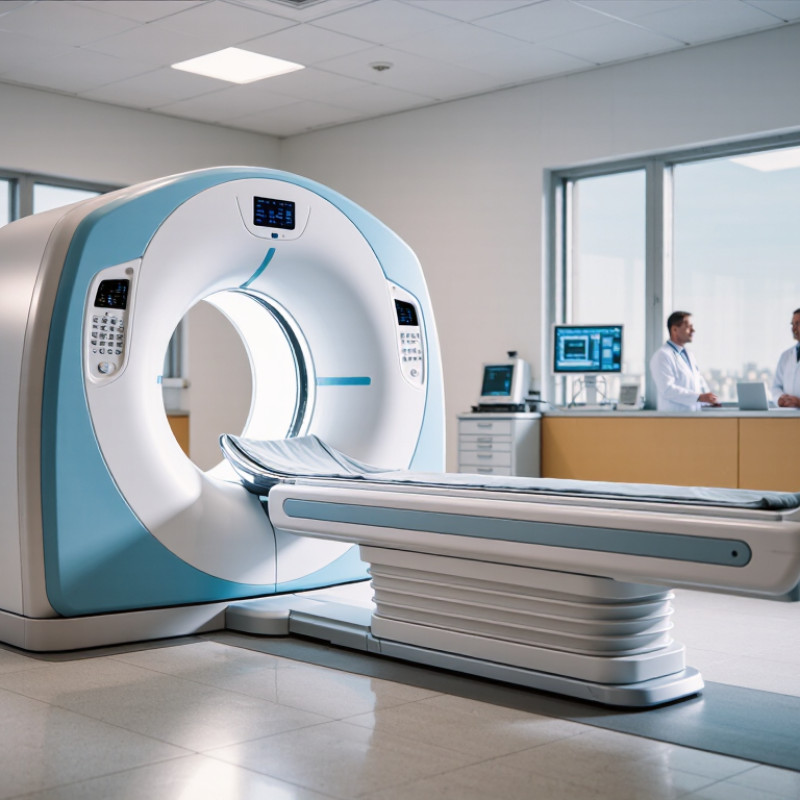
Best CT Scanner Rental Options in 2026?
Understanding CT Scanner Rental Models and Use Cases
CT scanner rentals generally fall into short-term, long-term, and mobile arrangements. Short-term rentals can help cover equipment downtime, seasonal demand, or a renovation. Long-term agreements may suit clinics expanding capacity without an immediate purchase. A mobile unit can serve a temporary site, but it still needs safe access, stable power, and space for patient preparation. The right model depends on scan volume, available staff, and how quickly the system must be ready.
Look beyond the monthly rate. Confirm what the agreement includes: delivery, installation, application training, maintenance, and technical support. Ask how service calls are handled and whether replacement equipment is available during extended downtime. Before signing, check room dimensions, electrical capacity, cooling, and network requirements with qualified facilities and imaging teams. Small oversights can delay opening. Even a door clearance issue matters.
Tips: Estimate weekly scan volume before comparing quotes. Request a clear list of included services and possible extra charges. Match the rental term to your project, not just the lowest initial price. Keep some schedule flexibility; installation and staff training may take longer than expected. A rental can solve a real capacity problem, but it may not fit every workflow.
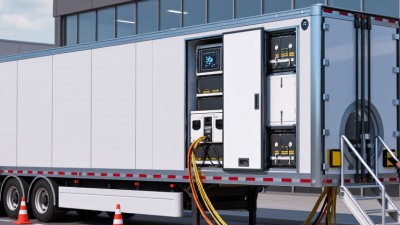
Illustrative planning horizons for common CT rental needs. These are examples, not standardized contract terms; availability and rental periods vary by market and provider.
Short-term rentals can help cover brief capacity gaps, while longer arrangements may suit equipment replacement or sustained demand. Confirm the rental term, installation requirements, service coverage, and included applications before choosing an option.
Comparing Rental Providers, Scanner Types, and Imaging Capabilities
CT rental options differ in more than price. A mobile trailer can add capacity quickly, while an in-house replacement may simplify access to staff and existing systems. Compare the full service package: delivery, installation, applications training, maintenance response, and backup plans. Ask who performs acceptance testing and confirms image quality before patient scanning. A low monthly rate means little if the scanner sits idle.
Scanner capability should match the exams you actually perform. A higher slice count can support fast acquisition, but it does not automatically improve every clinical result. Check cardiac, perfusion, and spectral imaging features only if your protocols and staff can use them.
The FDA estimates typical adult effective doses of about 7 mSv for chest CT and 8 mSv for abdomen-pelvis CT; actual doses vary by patient and protocol. These figures make dose-control tools and protocol support important rental comparisons. The American College of Radiology’s CT accreditation program also assesses image quality and dose-related performance.
Ask for recent testing records for the specific unit, not just a product specification sheet. Details matter. It is easy to overvalue headline specifications and overlook uptime, software compatibility, or a cramped control room. Those practical details deserve a site visit.
When comparing CT scanner rental options in 2026, look beyond the advertised monthly rate. Request an itemized quote covering delivery, installation, calibration, software, and removal. A low fee can rise quickly if these services are billed separately. Check the minimum rental period, extension rates, cancellation terms, and charges for service calls. Read the fine print.
Tips: Ask who handles maintenance and how quickly a technician responds. Confirm whether the agreement includes staff training, replacement parts, and a backup plan if the scanner is unavailable. Get each promise in writing.
Contract details matter during busy clinic weeks. Clarify what counts as downtime and whether rental fees pause during repairs. Ask how upgrades or software updates are handled, and whether they require extra payment. Compare service coverage against your site’s operating hours, not just a general response-time claim. A practical check: have your technical team review room requirements, power needs, and installation timing before signing. Some costs are difficult to predict, and estimates may change when site conditions are assessed. That is worth discussing early.
| Rental option | Best suited for | Indicative planning price (USD) | Typical contract terms | Commonly included services | Items to confirm before signing |
|---|---|---|---|---|---|
| Fixed-site, short-term rental | Temporary capacity needs, equipment downtime, or a short evaluation period | About $18,000–$40,000 per month | Often 1–6 months; delivery, installation, and removal may be billed separately | Scanner and standard service support; applications training may be limited or separately priced | Site readiness, acceptance testing, service response times, software configuration, and return charges |
| Mobile CT unit | Renovations, disaster recovery, or facilities without an available scanner room | About $35,000–$75,000 per month | Commonly 1–12 months; minimum terms and mobilization fees may apply | Trailer-mounted scanner and scheduled equipment maintenance; staffing is not always included | Utility and access requirements, delivery distance, operating hours, staffing, and weather contingencies |
| Long-term fixed-site lease | Planned capacity expansion with a multi-year operating horizon | About $12,000–$30,000 per month, generally subject to term and configuration | Usually 12–60 months; early termination can involve substantial charges | Equipment and scheduled maintenance may be included; installation and upgrades vary by agreement | Total payments, end-of-term options, uptime commitments, upgrade rights, and maintenance exclusions |
| Refurbished replacement scanner | Budget-conscious replacement or interim coverage where newer specifications are not essential | About $10,000–$25,000 per month | Often 3–24 months; availability and configuration can affect lead time | Equipment and basic maintenance may be included; parts coverage and software support vary | System age, tube condition, parts availability, service history, and compatibility with existing workflows |
| Turnkey rental with operational support | Facilities seeking a bundled equipment and service arrangement | About $45,000–$90,000+ per month, depending on staffing and scope | Commonly 3–12 months; service levels and operating schedules are negotiated | May bundle scanner, maintenance, applications support, and technologist coverage | Staffing hours, credentialing, patient-volume limits, contrast responsibilities, and after-hours rates |
Pricing figures are broad, budgetary planning estimates—not supplier quotations or guaranteed 2026 market rates. Actual costs vary by location, scanner configuration, rental duration, delivery and installation needs, service coverage, and staffing. Confirm taxes, shipping, site preparation, acceptance testing, consumables, and removal charges in a written quote.
Reviewing Installation, Compliance, Maintenance, and Staff Training
A rental decision should start with the room, not the machine. Confirm floor loading, doorway clearance, power, cooling, shielding, and network access before delivery. Ask who handles acceptance testing and documents image quality, dose settings, and system calibration. The American College of Radiology’s CT accreditation program evaluates image quality and radiation dose, so request evidence that the rented unit can meet applicable accreditation requirements. Installation delays are expensive. A missed power connection can leave a scanner idle while staff and patients wait.
Compliance depends on local requirements and documented procedures. The U.S. Food and Drug Administration estimates typical effective doses of about 7 mSv for chest CT and 8 mSv for abdomen-pelvis CT; actual doses vary by patient and protocol. Those figures make protocol review and dose monitoring practical priorities, not paperwork. Put preventive maintenance intervals, service response times, replacement-parts coverage, and downtime remedies in the rental agreement. Train technologists on the specific scanner’s workflow, emergency stop, dose tools, and image-transfer process. Even experienced teams need orientation.
Matching a rental scanner to clinical needs starts with patient mix, not detector count. Emergency departments may value rapid access and dependable uptime. Outpatient imaging may prioritize scheduled throughput, protocol flexibility, and predictable monthly costs. For renovations or seasonal backlogs, a mobile unit can bridge capacity if access, shielding, power, and patient-transfer routes are checked beforehand. Check the room. Longer rentals for steady demand may suit installed systems, but include training, service response, installation, and removal in the quote.
National equipment figures provide context, not a local demand forecast. OECD’s Health at a Glance 2023 reported an average of about 27 CT scanners per million people across OECD countries in 2021, with substantial variation between countries. That difference cautions against relying on broad averages: local referrals, scanner hours, downtime, and wait times matter more. Measure the gap. Before clinical use, request documented acceptance testing, dose and image-quality checks, and clear service targets. The American College of Radiology’s CT accreditation materials assess image quality and radiation dose. One caveat: published benchmarks cannot show whether a specific unit fits your protocols. Ask a radiographer and medical physicist to review the configuration, especially for cardiac, trauma, or pediatric imaging. A small mismatch can slow an entire shift.