What is a Rigid Scope and How is it Used in Medicine?

Rigid Scopes are specialized instruments used in various medical procedures. They allow healthcare professionals to visualize internal structures with precision. The design of a rigid scope typically includes a tube with a light source and a camera at the end. This setup provides clear images of hard-to-reach areas within the body.

In medicine, rigid scopes are crucial for surgeries and diagnostics. For instance, surgeons use them during minimally invasive procedures. They help in examining organs like the bladder, joints, and even certain areas of the gastrointestinal tract. However, the use of rigid scopes is not without challenges. The learning curve can be steep for new practitioners. Moreover, positioning and stabilization during procedures may require practice.

Yet, the benefits often outweigh the difficulties. Rigid scopes enhance visualization, leading to better outcomes. Still, improper handling can lead to complications. Continuous training and updates on techniques are essential. As technology advances, the rigid scope design may evolve, improving its applications in medicine.
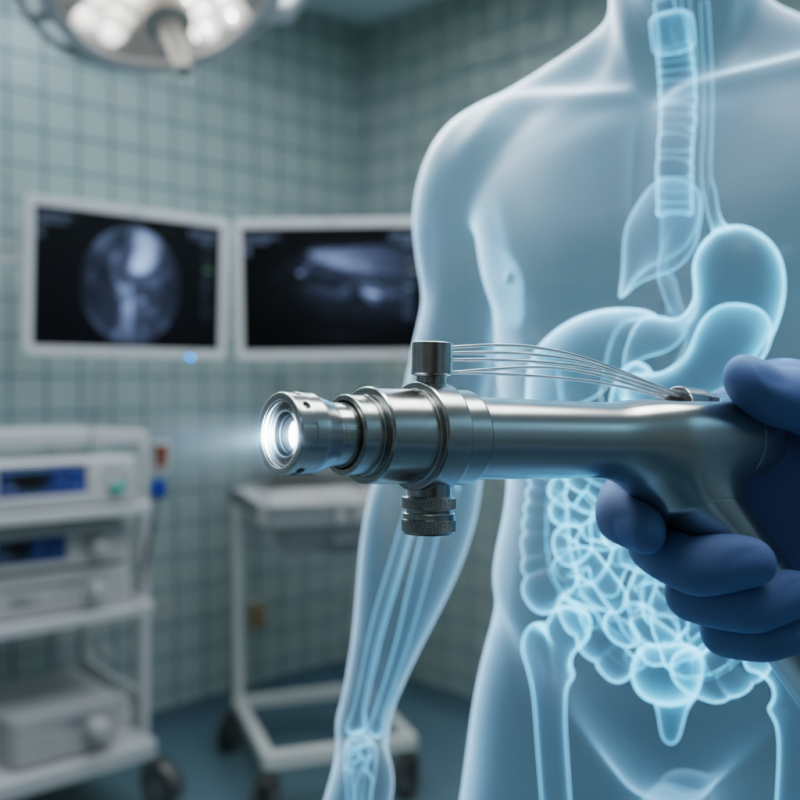
What is a Rigid Scope and How is it Used in Medicine?

Definition and Characteristics of a Rigid Scope

A rigid scope is a specialized medical instrument used for visualization inside the body. It has a solid, non-flexible body that allows for clear imaging of various internal structures. The design includes a lens system that captures images, which can be viewed in real time. Rigid scopes come in different diameters and lengths, tailored for specific procedures. Their construction ensures minimal distortion, providing accurate depictions of tissues.

These scopes are commonly used in surgeries, particularly in areas like orthopedics and urology. Surgeons rely on the rigidity to manipulate the scope precisely. However, using a rigid scope requires skill and experience. In some cases, the rigid design can make navigation challenging, especially in tight spaces. This limitation necessitates careful consideration when planning procedures. Practitioners must weigh the benefits against the potential difficulties. Rigid scopes have revolutionized many medical fields, but their application is not without flaws.

Rigid Scope Usage in Different Medical Fields

Common Types of Rigid Scopes Used in Medical Procedures

Rigid scopes play a critical role in various medical procedures. Their sturdy design helps doctors visualize internal organs or cavities. Common types include cystoscopes, endoscopes, and arthroscopes. Each type serves a unique purpose. Cystoscopes are used for bladder examination. Endoscopes help in gastrointestinal investigations. Arthroscopes are vital for joint inspections.

Statistics indicate that minimally invasive procedures are growing. According to a report by the American College of Surgeons, these procedures increased by over 30% in the past decade. This shift is due to the precision that rigid scopes offer, minimizing recovery time. Rigid scopes allow for detailed exploration while reducing patient discomfort.

Tips: Always ensure proper sterilization of rigid scopes before use. This reduces infection risk during procedures. Training staff on the effective use of these tools is essential. Rigid scopes, while beneficial, can sometimes present challenges. Improper handling can lead to damage or inaccurate results. Medical professionals need continuous education to stay updated on best practices. This ensures patient safety and procedure efficacy.

Applications of Rigid Scopes in Various Medical Specialties

Rigid scopes have revolutionized many areas of medicine. They are essential tools in various specialties, including surgery, gastroenterology, and otolaryngology. These instruments provide doctors with a clear view inside the body. The rigid design ensures stability when navigating through complex anatomical structures.

In surgery, rigid scopes allow surgeons to operate with precision. They enhance visibility of organs and tissues. This is especially beneficial in minimally invasive procedures. In gastroenterology, these scopes help in diagnosing conditions like polyps or tumors in the digestive tract. They aid in biopsies, providing vital information for treatment plans.

Tip: Always ensure good lighting when using rigid scopes for better visualization.

In otolaryngology, rigid scopes examine the throat and nasal passages. They help identify infections or abnormalities. Despite their effectiveness, using rigid scopes has challenges. Training is crucial for maintaining accuracy. Practitioners must learn to handle the instrument skillfully.

Tip: Practice on simulators when possible to build confidence.

Benefits and Limitations of Rigid Scopes in Healthcare

Rigid scopes are essential tools in modern medicine. They provide a direct way to view and access internal structures. However, their use comes with both benefits and limitations.

One significant benefit of rigid scopes is their visual clarity. Surgeons can obtain detailed images of organs or tissues. This clarity aids in precise diagnosis and treatment. For instance, rigid scopes are commonly used in arthroscopy and endoscopy. The ability to maneuver the scope allows healthcare professionals to address issues effectively. This technology can enhance patient outcomes significantly.

On the flip side, rigid scopes have limitations. They can be uncomfortable for patients. The procedure may cause pain or stress, leading to a negative experience. Additionally, their inflexibility can restrict access to certain areas. In some cases, complications can arise, highlighting the need for skilled operators. Not every case is ideal for a rigid scope, and the choice to use one requires careful consideration.

Safety Protocols and Best Practices for Using Rigid Scopes

Rigid scopes are essential tools in many medical procedures. They allow direct visualization of internal structures. However, using them requires strict safety protocols. Ensuring the scope is properly sterilized is crucial. Any contamination can lead to serious infections. It is vital to handle the scope carefully to avoid damage.

Practitioners should regularly inspect the equipment. Just a small crack can affect performance. If a scope is not functioning well, it may compromise patient safety. Staff should be trained to identify these faults. Communication is key in a clinical setting. Team members must share any concerns about the scopes.

During procedures, maintaining a sterile field is essential. This reduces the risk of infection. After use, scopes should be cleaned immediately. Delaying cleaning can lead to build-up and deterioration. Following these practices can enhance safety. Reflecting on past experiences can guide better protocols. Improving practices is an ongoing process that benefits patient care.

What is a Rigid Scope and How is it Used in Medicine? - Safety Protocols and Best Practices for Using Rigid Scopes

Aspect Details
Definition A rigid scope is a type of endoscope that has a fixed shape and is used for visualizing internal structures within the body.
Common Uses Used in various medical fields including gastroenterology, urology, and otolaryngology.
Components Typically consists of a lens system, light source, and an access channel for instruments.
Safety Protocols Includes sterilization procedures, proper handling techniques, and usage of protective equipment.
Best Practices Regular training for staff, proper equipment maintenance, and adherence to medical guidelines.
Advantages High-quality images, ability to perform procedures through the same instrument, and precision in diagnosis.
Disadvantages Limited maneuverability, potential for discomfort, and the risk of complications if not used correctly.

Article Source: