Why Mobile CT Units Are Revolutionizing Diagnostic Imaging in Healthcare

The advent of mobile CT units is transforming the landscape of diagnostic imaging within the healthcare sector. According to a report by the American College of Radiology, the demand for advanced imaging technologies is expected to grow by approximately 30% over the next five years. This surge is driven by the need for rapid diagnosis in critical care environments, where speed and accessibility are paramount. Why Mobile CT Units Are Revolutionizing Diagnostic Imaging in Healthcare Mobile CT units are emerging as a critical solution, offering on-demand imaging that can be deployed to various settings, thereby reducing patient waiting times and enhancing overall care quality.


Mobile CT units not only improve patient outcomes but also optimize operational efficiencies in healthcare facilities. A study published in the Journal of the American Medical Association indicates that mobile imaging can lead to a 15% increase in diagnostic accuracy due to timely access to imaging services. Furthermore, these units can significantly reduce the logistical burden on fixed imaging facilities, which often face overwhelming patient volumes. As the healthcare industry embraces these innovative solutions, it is clear that mobile CT units are helping to bridge the gap in diagnostic imaging capabilities, ultimately paving the way for a more responsive and effective healthcare system.

The Rise of Mobile CT Units: A Game Changer in Healthcare Diagnostics

Why Mobile CT Units Are Revolutionizing Diagnostic Imaging in Healthcare

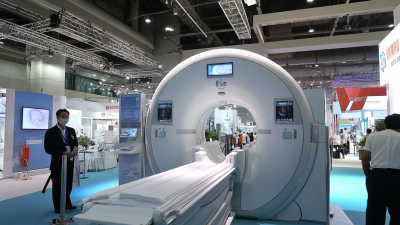
The rise of mobile CT units represents a significant shift in healthcare diagnostics, driven by the increasing demand for portable and point-of-care diagnostic imaging devices. As noted in recent market reports, the growth in this sector is largely attributed to the need for enhanced accessibility to advanced imaging technologies. For instance, in cardiac care, the emergence of advanced modalities like PET/CT imaging has proven pivotal in myocardial perfusion assessments, allowing for quicker diagnosis and treatment decisions, ultimately improving patient outcomes.

Moreover, technological innovations, including artificial intelligence and 3D imaging, are set to redefine the landscape of radiology in 2024. Mobile CT units are leading this transformation, enabling healthcare providers to bring sophisticated imaging services directly to patients in a variety of settings, from remote communities to emergency scenarios. The implementation of these units not only expedites the diagnostic process, but also significantly enhances the management of critical conditions such as stroke, where timely imaging is crucial. As the healthcare industry continues to evolve, mobile CT units are positioned as a game changer, meeting the urgent need for immediate and accurate diagnostics.

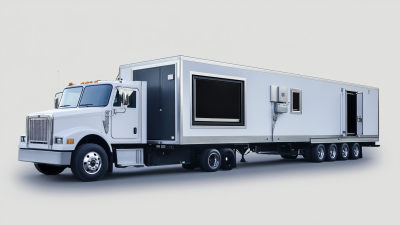
Enhancing Patient Accessibility: How Mobile CT Units Bridge Treatment Gaps

Why Mobile CT Units Are Revolutionizing Diagnostic Imaging in Healthcare

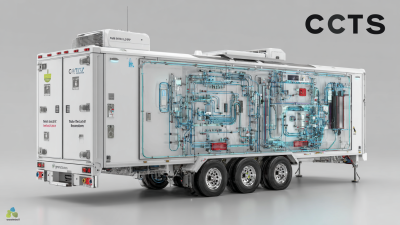
Mobile CT units are transforming the landscape of diagnostic imaging by significantly improving patient accessibility. Traditionally, patients faced barriers when seeking advanced imaging services, including long travel distances to hospitals or clinics equipped with CT technology. By bringing the imaging process directly to patients’ locations, mobile CT units eliminate these obstacles, ensuring timely diagnosis and treatment for various medical conditions. This innovation is particularly beneficial in rural or underserved regions where access to healthcare facilities is limited.

Furthermore, mobile CT units play a crucial role during public health emergencies or natural disasters, where rapid assessment is vital. They enable healthcare providers to conduct imaging studies in community settings, helping to identify injuries or conditions that require immediate attention. By bridging treatment gaps, these units not only enhance patient care but also contribute to quicker decision-making in critical situations, thereby improving overall health outcomes in the community. This approach underscores the importance of accessibility in healthcare, ensuring that all patients receive the timely imaging services they need, regardless of their geographic location.

Cost-Effectiveness of Mobile CT Solutions in Modern Healthcare Settings

Mobile CT units are leading a cost-effective revolution in the diagnostic imaging landscape of modern healthcare. The global diagnostic imaging services market is projected to reach approximately USD 881.74 billion by 2033, up from USD 564.62 billion in 2025. This notable growth is underscored by the increasing adoption of mobile medical imaging technologies, which provide advanced diagnostic capabilities directly at patients' locations. By reducing the need for patient transport to fixed imaging facilities, mobile CT units significantly lower operational costs and improve patient outcomes.

In addition to convenience, mobile CT solutions offer a remarkable return on investment. Reports indicate that healthcare systems can optimize resources and streamline workflows with these units, which are designed to accommodate a variety of diagnostic needs efficiently. Hospitals and clinics can save costs related to infrastructure and staffing while enhancing service delivery in rural or underserved communities.

Tip: When considering mobile CT options, assess their integration with existing healthcare systems for seamless operation.

Tip: Evaluate the training requirements for staff to ensure they maximize the capabilities of advanced mobile imaging technologies.

Technological Innovations Driving the Success of Mobile CT Imaging

Mobile CT units are fundamentally transforming diagnostic imaging within healthcare, driven by substantial technological innovations. As medical imaging technology advances, mobile CT scanners are increasingly being equipped to deliver high-quality imaging capabilities to patients directly at the point of care. This shift not only enhances convenience for patients but also significantly improves the efficiency of healthcare delivery, particularly in emergency and rural settings.

Recent developments, such as the introduction of full-body mobile CT systems, exemplify the potential for these innovations to revolutionize patient diagnostics. These advancements ensure that critical imaging can occur without the need for patients to be transferred to stationary facilities, thereby reducing wait times and increasing access to necessary imaging services. Moreover, the integration of cutting-edge software and hardware in mobile units continues to enhance image quality, making it comparable to traditional CT scanners. As the sector evolves, these technologies not only enhance diagnostic accuracy but also play a crucial role in bridging gaps in healthcare access, particularly for aging populations and underserved communities.

Impact of Mobile CT Units on Emergency and Rural Patient Care Delivery

Mobile CT units are transforming the landscape of healthcare, particularly in emergency and rural settings. These portable imaging machines are designed to deliver high-quality diagnostics right at the point of care, significantly reducing the time it takes for patients to receive critical imaging services. In emergency situations, every second counts; mobile CT units enable rapid assessment and diagnosis, ensuring timely intervention for conditions such as strokes or traumatic injuries. For rural areas, where access to advanced medical facilities is often limited, these units bridge the gap, providing essential imaging services that previously required lengthy travel.

**Tips for Utilizing Mobile CT Units:**
1. **Ensure Training:** Healthcare providers should undergo thorough training on the operation of mobile CT units to maximize their effectiveness and accuracy in diagnostics.
2. **Streamline Workflow:** Establish protocols that integrate mobile imaging with patient care processes, ensuring swift responses and efficient use of resources.
3. **Focus on Communication:** Maintain clear communication between referring physicians and imaging technicians to facilitate better outcomes, particularly in emergency scenarios.

As mobile CT technology continues to evolve, its impact on patient care delivery, especially in underserved areas, is becoming increasingly significant. This innovation exemplifies how mobile healthcare solutions can meet urgent medical needs and enhance overall patient outcomes.