In the industrial world, safety is paramount. Professionals rely on advanced technologies to monitor potentially harmful gases. One such crucial tool is the Handheld Gas Monitor. According to gas detection expert Dr. Emily Carter, “A Handheld Gas Monitor is essential for ensuring worker safety in hazardous environments.” This statement highlights the critical role played by these devices.
A Handheld Gas Monitor offers real-time data, enabling immediate responses to gas leaks. These portable devices can detect various gases, including toxic and flammable substances. Users appreciate their accuracy and ease of use. However, relying solely on technology isn’t enough. Regular calibration and maintenance are vital for performance. Neglecting these aspects can lead to false readings.
The devices vary in features and capabilities. Some models provide additional functions, like data logging and alarm systems. Yet, not every device is suitable for every job. Choosing the right Handheld Gas Monitor requires understanding specific site conditions. This complexity can overwhelm even seasoned professionals, emphasizing the need for ongoing training.
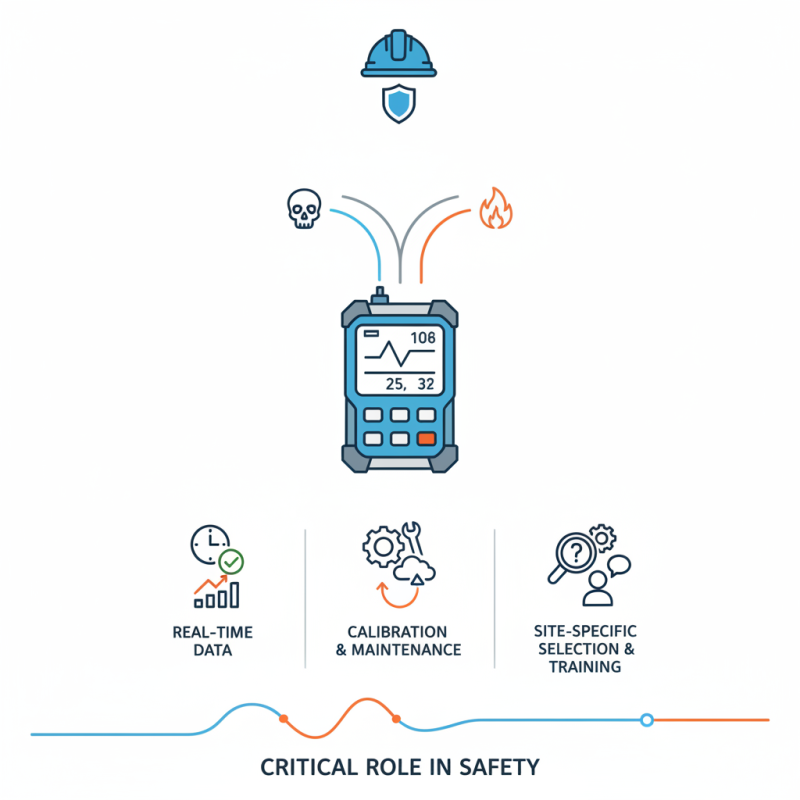
A handheld gas monitor is an essential tool for measuring and detecting gases in various environments. These devices are widely used in industrial settings, mining, construction, and even in emergency response scenarios. They provide real-time data on gas concentrations, ensuring safety for workers. With their compact size, these monitors are portable and easy to use.
Operating a handheld gas monitor is straightforward. Users often select the desired gas type and turn the device on. The monitor then displays gas levels on a digital screen. Many models have audible alarms for high-concentration readings. However, accuracy can vary depending on the maintenance of the device. Regular calibration is essential for reliable measurements.
Despite their reliability, users must remain vigilant. A monitor might fail to detect certain gases or show incorrect readings due to environmental factors. Users should not solely rely on technology. Knowing how to manually check gas levels can enhance safety practices. It's important to stay informed about the limitations of these tools, ensuring a comprehensive safety approach in potentially hazardous environments.

Handheld gas monitors are vital tools for safety in various environments. They help detect harmful gases effectively, allowing users to take necessary precautions. The key components of these monitors include sensors, a display interface, and a power source. Each component plays a role in ensuring accurate readings and easy usability.
Sensors are the heart of handheld gas monitors. They measure gas concentrations in the air. Different sensors are available for various gases like carbon monoxide or methane. They often use electrochemical or catalytic methods for detection. A good monitor can adapt to changing conditions, but not all models perform equally well. Regular calibration is essential for accuracy.
The display interface is where users see the readings. A clear digital display aids quick decision-making. Some monitors feature alarms that alert users to dangerous levels. Power sources can vary from rechargeable batteries to disposable ones. It's important to consider battery life when selecting a model.
Tips: Always check your monitor for functionality before use. Regular maintenance can extend its lifespan. Familiarize yourself with the user manual to understand monitoring limits. Keeping a log of readings can help track gas levels over time. Remember, detection technology evolves. Staying updated ensures safety in your environment.
Handheld gas monitors are essential tools for detecting harmful gases in various environments. They use sensors to identify the presence of specific gases. The sensors can target a wide range of gases, including carbon monoxide, methane, and hydrogen sulfide. Each sensor operates based on different working principles, which can include electrochemical, infrared, or catalytic bead technologies.
When airborne gases enter the device, they interact with the sensors. For instance, electrochemical sensors work by producing a small current in response to the concentration of the gas. This current correlates with gas levels, allowing the device to provide real-time readings. Infrared sensors measure gases by absorbing specific wavelengths of light. This interaction helps identify the concentration of gas in the air.
Despite their effectiveness, handheld gas monitors require regular calibration and maintenance. Inaccurate readings can lead to serious safety issues. Users should routinely test their devices to ensure reliability. Understanding the strengths and limitations of these monitors is crucial. Proper use and care can enhance their performance and safeguard health.
| Gas Type | Detection Method | Response Time | Measuring Range | Typical Applications |
|---|---|---|---|---|
| Carbon Monoxide (CO) | Electrochemical | < 15 seconds | 0-1000 ppm | Indoor air quality, industrial safety |
| Methane (CH4) | Infrared | < 5 seconds | 0-100% LEL | Natural gas detection, leak detection |
| Hydrogen Sulfide (H2S) | Electrochemical | < 10 seconds | 0-100 ppm | Oil and gas industry, wastewater treatment |
| Ammonia (NH3) | Chemical sensor | < 15 seconds | 0-50 ppm | Agriculture, refrigeration systems |
| Chlorine (Cl2) | Electrochemical | < 10 seconds | 0-10 ppm | Water treatment, chemical manufacturing |
Handheld gas monitors are essential tools in various industries. They assist in detecting harmful gases, enhancing safety and efficiency. In confined spaces, their importance escalates. Workers rely on them for real-time readings, ensuring a safer work environment.
These devices find applications in construction, oil, and gas sectors. In laboratories, they monitor gas leaks effectively. Moreover, first responders use them during hazardous situations. Their portability allows for quick assessments, which can save lives.
Tips: Regularly calibrate your gas monitor. Calibration ensures accurate readings. Always charge your device before use. A dead battery can lead to dangerous oversights. Familiarize yourself with the user manual; knowledge about your monitor can enhance safety. Check detection limits and response times. This information can be crucial in emergencies.
Handheld gas monitors play a critical role in ensuring workplace safety. They detect hazardous gases and alert users in real time. Workers exposed to confined spaces or areas with potential gas leaks can face severe risks. These monitors can save lives by providing timely warnings. Various industries rely on them—from construction to manufacturing. The benefits of incorporating these devices into safety protocols are clear.
Using handheld gas monitors increases awareness of potential hazards. Workers can identify risks quickly, leading to timely interventions. The compact design allows easy transport and access. This convenience is vital in emergency situations. Additionally, these devices often feature user-friendly interfaces. Simple operation reduces the possibility of human error. Despite these advantages, proper training is essential. Even reliable devices require knowledgeable users to function effectively. Accurately interpreting data is crucial.
Routine calibration and maintenance should not be overlooked. Monitors can fail or provide inaccurate readings if not properly maintained. Companies must prioritize regular checks. While handheld monitors are effective, they are not foolproof. Relying solely on technology without proper protocols may leave gaps in safety. Such oversight can lead to dangerous situations. Thoughtful integration of handheld gas monitors into comprehensive safety strategies is vital. This will maximize protection for all workers.