When it comes to dental procedures, precision is key. A Dental Hand Drill is an essential tool in the dentist's arsenal. It allows for exact removal of decay and preparation of teeth for restoration. But not all hand drills are created equal. Choosing the right one can impact the quality of care a dentist provides.
Dental professionals should consider several factors when selecting a hand drill. The drill’s ergonomic design is vital for comfort during long procedures. Additionally, the quality of materials used in its construction affects its durability and effectiveness. Dentists must also weigh their personal experience and comfort with different designs.
Finding the best Dental Hand Drill is not just a matter of preference. It requires careful consideration of performance and reliability. This decision can shape the patient experience and outcome. There is always room for improvement, and dentists should reflect on their choices regularly to ensure they are using the best tools available.
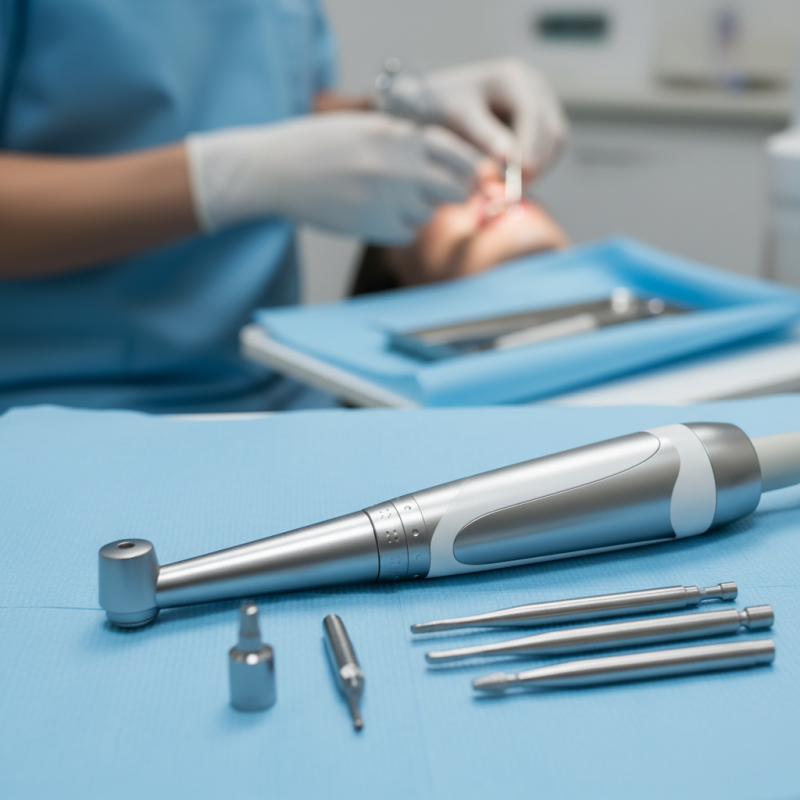
A dental hand drill is a vital tool in restorative dentistry. It assists in removing decay, shaping teeth, and preparing cavities for fillings. This tool enables dentists to work with precision, shaping tooth structures effectively. The design typically features a handheld mechanism, allowing the dentist to have better control during procedures.
During a treatment, the dentist gently guides the drill against the affected area. Many drills use varying speeds to achieve different results. For instance, high-speed drills are often used for cutting hard enamel, while lower speeds are preferred for softer tooth structures. The precision of these drills prevents damage to adjacent teeth and surrounding tissues.
Choosing the right dental hand drill requires careful consideration. Factors include weight, ease of use, and maintenance needs. A heavier drill can fatigue the dentist's hand during longer procedures. Ease of cleaning is another crucial aspect. A drill that is hard to maintain may lead to hygiene issues. Ultimately, having the right dental hand drill can enhance the quality of care provided to patients.

The history of dental hand drills dates back to the early 19th century. Initially, these tools were simple, manually operated devices. They relied on basic mechanics to perform dental procedures. Over time, dentistry evolved due to advancements in technology and patient care. The introduction of electric hand drills in the mid-20th century revolutionized the field. These tools became faster, more efficient, and less painful for patients.
As the technology continued to advance, contemporary dental hand drills now often feature various speeds and torque settings. According to the American Dental Association, over 80% of modern dental practices use electric drills, highlighting their importance. These innovations have made procedures quicker and more reliable. It’s fascinating to see how far dental tools have come, from hand-cranked drills to high-speed electric models.
Tips: When choosing a dental hand drill, consider its weight and handling. A lighter drill can reduce hand fatigue for dentists. Additionally, check the noise level. Quieter drills may improve comfort for anxious patients. Lastly, look for ergonomic designs. These can enhance precision during procedures, ultimately benefiting both the dentist and patient. Always stay informed about advancements in dental technology to ensure the best practices.
Dental hand drills play a vital role in oral health. There are several types, each designed for specific tasks. The most common types are high-speed drills and slow-speed drills. High-speed drills are used for cutting through enamel. They perform quickly, making procedures faster. These are essential for cavity preparations. They create minimal heat and reduce discomfort for patients.
Slow-speed drills have different functions. They are often used for removing decay or polishing teeth. Their operation is gentler, which helps dentists be more precise. Often, these drills are utilized in more delicate situations, like root canal treatments. Each drill has unique bits that can be easily changed for various procedures. Selecting the right type is key to achieving optimum results.
Choosing the best dental drill involves understanding these types and their intended uses. Consider the patient's comfort during the procedure. Some dentists struggle with the balance between speed and precision. A thorough evaluation of the patient's needs is crucial before deciding on a drill. This process can take time but is essential to delivering quality care.
When selecting a dental hand drill, several factors demand attention. First, consider the drill's torque. A study from the Journal of Dental Research shows that optimal torque levels enhance precision while minimizing patient discomfort. Higher torque is beneficial for tougher materials but may lead to overheating if not managed well. This balance is crucial for effective treatment outcomes.
Next, think about the drill’s speed settings. Different procedures require varying speeds. Research indicates that high-speed drills can improve efficiency in cavity preparation but may also increase the risk of damage to dental structures if not used with caution. Many practitioners prefer a variable-speed drill that allows for better control, particularly in delicate situations.
Finally, ergonomics can't be overlooked. A well-designed handpiece reduces fatigue during procedures. A report from the American Dental Association highlights that more comfortable grips can lead to improved operator precision. Practitioners should assess their own comfort with a drill, as prolonged use can lead to discomfort or pain. Each choice has implications for your practice and patient safety.
Proper maintenance and care for dental hand drills are essential for their longevity and performance. According to a survey by the American Dental Association, nearly 70% of dental professionals report issues with hand drill reliability due to inadequate maintenance. Regular cleaning is crucial. Dentists should follow manufacturer instructions. Failing to do so can lead to buildup that affects operation and hygiene.
Lubrication is another key aspect. A report from the Dental Industry Association indicates that 40% of drills experience premature wear because of insufficient lubrication. Regularly checking and applying appropriate oil can significantly extend the tool's life. Dentists should also inspect their drills for visible wear and tear before each use. Ignoring these details can result in compromised patient care and increased costs over time.
Calibrating hand drills is yet another area to reflect on. Many practitioners overlook this step, which can affect precision. Studies show that improperly calibrated drills can lead to discomfort or complications during procedures. Dentists need to prioritize these technical aspects to enhance overall practice efficiency. Proper focus on these maintenance practices can greatly improve both functionality and patient safety.