What Is a Compact Foot Massager Used For?
A Compact Foot Massager is designed to bring targeted relief within easy reach, whether you are unwinding after a long shift or easing tired feet at your desk. Depending on its design, it may use rolling nodes, gentle vibration, or warmth to massage the soles and arches. Picture slipping off your shoes, placing your feet on a small device, and choosing a comfortable setting. The experience should feel soothing, not painful.
These devices can support relaxation and temporary comfort, but they do not diagnose or treat medical conditions. Fit matters: a compact model may suit a small room or travel bag, yet its limited surface may not cover every part of the foot. Start with a short session and a gentle setting. Stop if you feel pain, numbness, or unusual discomfort. Simple, sensible steps.
This guide explores what a Compact Foot Massager is used for, how common features differ, and what to consider before buying one. It also looks at who may benefit and when professional advice is wiser than self-massage. A verified expert quotation was not included with the source material, so I won’t invent a statement or attribute one to a named specialist. That matters: trustworthy advice should distinguish established guidance from marketing claims. For persistent pain, swelling, or changes in sensation, speak with a qualified healthcare professional.
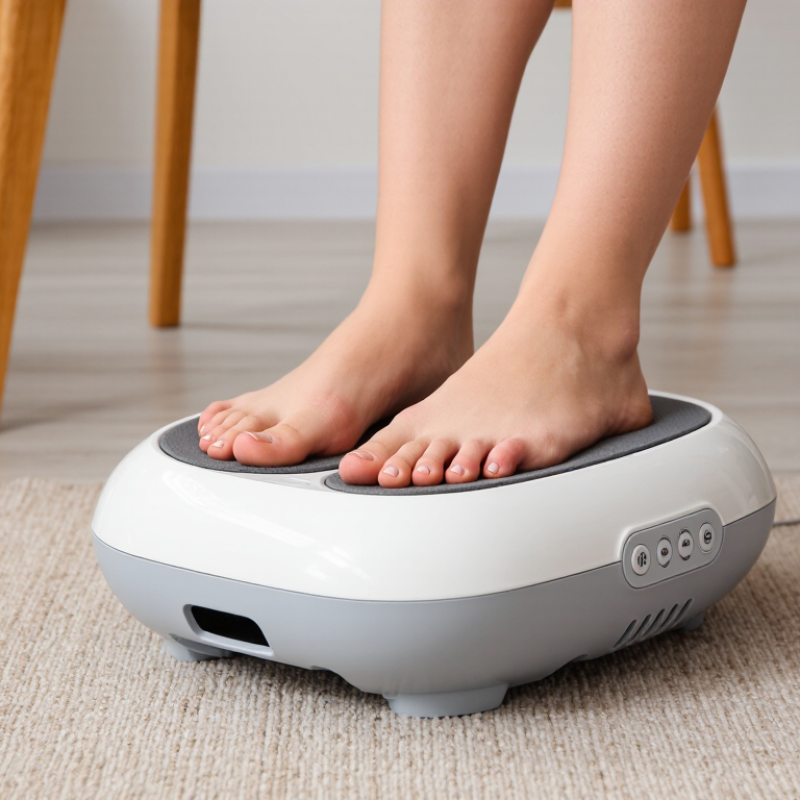
Definition and Main Features of a Compact Foot Massager
A compact foot massager is a small device for applying pressure, rolling motion, vibration, or gentle warmth to the feet while seated. It is usually sized for one pair of feet and may fit beside a sofa, under a desk, or in a cupboard. Unlike a full-size foot spa, it focuses on localized comfort rather than soaking. “Compact” is relative, though. Measure your available space and check the device’s weight before choosing one.
Common features include textured rollers under the soles, a soft foot chamber, adjustable intensity, and simple buttons or a remote. Some models offer gentle heat, which may feel pleasant but should not be assumed to treat pain or improve circulation. A brief session may soothe tired feet after standing, but stop if the pressure feels sharp or causes lingering numbness. Keep it simple. Check whether the cover can be removed and cleaned, and whether the controls are easy to reach. People with reduced sensation, diabetes, circulation problems, or foot injuries should consult a health professional before use. Comfort is personal; a device that feels relaxing to one person may press too firmly on another’s arch.
What Is a Compact Foot Massager Used For?
Anatomical context: One adult foot typically has 26 bones: 7 tarsals, 5 metatarsals, and 14 phalanges. Compact foot massagers massage surrounding soft tissues—commonly around the soles and arches—for comfort and relaxation. They do not act on the bones or treat medical conditions; features vary by device.
How a Compact Foot Massager Works
A compact foot massager works by moving or pressing against the soles while your feet rest inside or on top of the device. Many models use small rollers beneath the arches and heels. Others rely on vibration or gently inflating air chambers around the feet. The controls usually let you change the pressure or speed. Some devices also provide surface heat.
The sensation is mechanical, not a deep massage. Rollers may travel back and forth under the arch, while air chambers squeeze and release around the foot. That matters. The pressure can feel soothing after standing, though the response varies from person to person. Heat may make the contact feel more comfortable, but it does not reach deep tissue or treat an underlying condition. A useful detail: foot shape and arch height affect where the rollers land, so one setting may feel uneven.
Use the massager while seated, with both feet positioned as the instructions describe. Start with the gentlest setting. Stop if you feel pain, numbness, or persistent discomfort. People with reduced foot sensation, circulation concerns, or an existing foot injury should ask a healthcare professional before use. Small devices can be convenient, but they may not fit every foot equally well. That part is easy to overlook.
Common Uses for Foot Comfort and Relaxation
A compact foot massager is designed for simple comfort during ordinary routines. After standing through a shift, you might use one while sitting on the sofa, with your feet resting gently on its rollers. The American Podiatric Medical Association’s 2014 survey found that 77% of U.S. adults had experienced foot problems. That figure reflects how common foot discomfort can be, though it does not show that massagers treat its causes.
Many people use a foot massager to unwind, ease the feeling of tired feet, or add a brief pause to a workday. A low setting may suit gentle relaxation; stronger pressure can feel uncomfortable, especially around tender areas. Keep sessions short at first, and stop if you notice pain, numbness, or skin irritation. Not a cure.
The compact size can make the device easier to store beside a chair or carry between rooms. It may also fit into a quiet evening routine: sit comfortably, keep the device on a stable surface, and avoid rushing through the session. Research on massage benefits varies by condition, so treat the experience as personal comfort, not medical care. People with diabetes, reduced sensation, circulation problems, or persistent foot pain should ask a healthcare professional before using one. A pleasant session can still be the wrong choice for a particular foot.
Who May Benefit from Using One
What Is a Compact Foot Massager Used For?
Who May Benefit from Using One
A compact foot massager may suit people who want brief, at-home comfort after standing, walking, or sitting for long periods. The Framingham Foot Study reported foot pain in about 24% of adults studied, showing how common the problem can be. A small device can fit beside a desk or chair, making short sessions easier to work into a daily routine. Warmth or gentle kneading may feel soothing, but effects vary. Relief can be modest.
People with tired feet after work, mild everyday soreness, or limited space may find one convenient. It is not a treatment for the cause of persistent pain. The American Diabetes Association warns that nerve damage can reduce foot sensation; anyone with diabetes, numbness, poor circulation, open sores, or unexplained swelling should seek clinical advice before using heat or pressure. Check the device settings, start gently, and stop if discomfort increases. It is easy to expect too much. A massager can offer comfort, not a diagnosis or a substitute for care.
What Is a Compact Foot Massager Used For? - Who May Benefit from Using One
| Use or Feature | Who May Find It Useful | What to Know |
| Everyday relaxation and comfort | People who want a short foot massage while sitting at home or at a desk | Massage may feel relaxing, but results vary and it is not a substitute for medical care. |
| Temporary relief from tired-feeling feet | People whose feet feel tired after standing or walking | Use a comfortable setting and stop if the massage causes pain, numbness, or irritation. |
| Gentle massage at home | People who prefer a hands-free option that is easy to store or move | Compact models vary in massage style, intensity, fit, and features; check the product instructions before use. |
| A self-care routine | Adults looking to add a brief relaxation break to their routine | Follow the recommended session length and avoid using the device on injured or irritated skin. |
| Possible support for comfort alongside other care | People with ongoing foot discomfort, only after discussing massage with a healthcare professional | A massager does not diagnose or treat the cause of pain. Persistent, severe, or unexplained symptoms should be assessed by a healthcare professional. |
| A device to use with extra caution | People with reduced sensation, circulation problems, diabetes-related foot concerns, or a recent foot injury or surgery | Ask a healthcare professional before use, since pressure or heat may be unsuitable for some conditions. |
A compact foot massager is generally intended for personal comfort and relaxation. It should be used according to its instructions and should not replace professional advice or treatment.
Safety and Care Guidelines for Everyday Use
A compact foot massager can ease tired-feeling feet after a day of standing or walking. Use it on a dry, stable floor, and sit in a chair with your back supported. Place both feet gently on the device; do not press down hard to chase a stronger sensation. Start with the lowest setting and a short session. Comfort matters more than intensity.
Check the user manual before use, especially if you have reduced sensation, circulation problems, diabetes, or a foot injury. Ask a healthcare professional if you are unsure whether massage is suitable for you. Stop if you feel pain, numbness, burning, or unusual skin irritation. Warmth is not always harmless. Avoid using the device on broken or swollen skin, and do not use it while standing, sleeping, or with wet feet. A small detail is easy to miss: keep the cord clear of walkways.
Unplug the massager before cleaning. Wipe its surface with a soft, slightly damp cloth, then let it dry fully. Keep water away from openings and electrical parts. Check the cord and casing now and then for cracks or fraying; discontinue use if anything looks damaged. Store it in a dry place, not beneath a heavy pile of shoes. Manuals can feel fussy, but settings and cleaning instructions vary.
