How to Choose the Right Mobile Ct Imaging for Your Healthcare Facility?

Choosing the right Mobile CT Imaging system for your healthcare facility can be challenging. There are many factors to consider. Your needs, budget, and the latest technology all play significant roles in this decision.

Mobile CT Imaging provides flexibility and efficiency. It allows imaging services to reach patients in various locations, such as emergency rooms or remote areas. However, each model has unique features and specifications. You'll need to assess your specific requirements carefully.

Consider the training required for staff. Not all personnel may be familiar with different systems. Maintenance and support options can affect long-term satisfaction. Reflecting on these elements can help ensure your healthcare facility selects the best mobile solution.
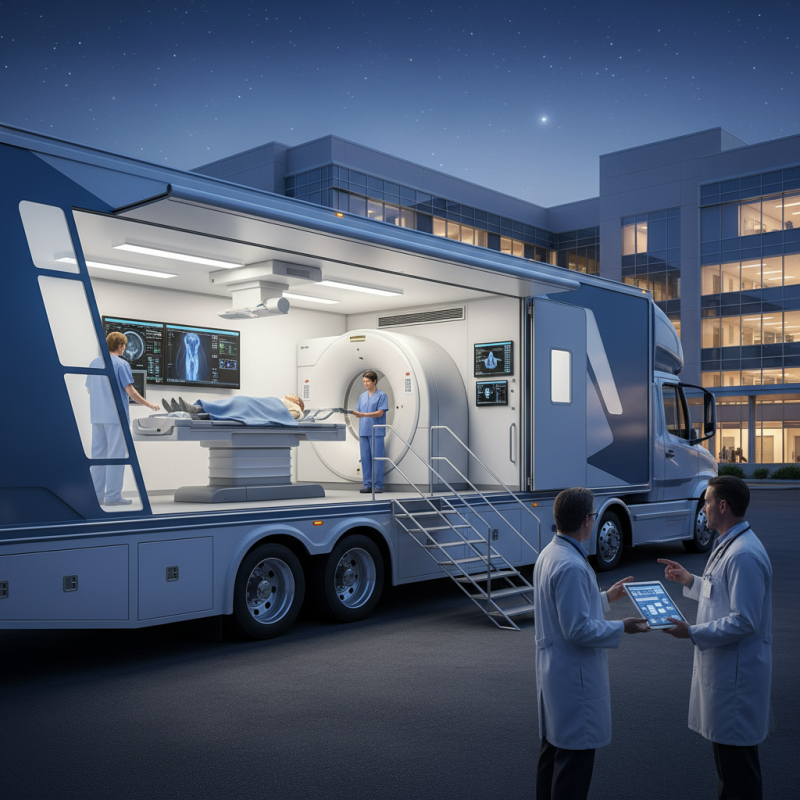
How to Choose the Right Mobile Ct Imaging for Your Healthcare Facility?

Understanding Mobile CT Imaging Technology and Its Benefits

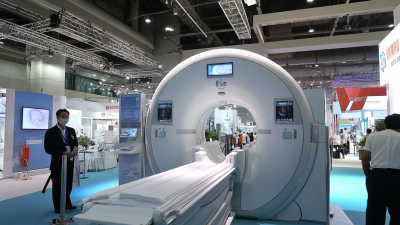
Mobile CT imaging technology offers numerous benefits to healthcare facilities. It allows for greater flexibility in obtaining patient scans. This technology can be transported directly to the patient’s bedside, reducing the need for transfers. This is crucial for patients who are critically ill or in pain. With mobile CT units, diagnostic capabilities expand into various departments, enhancing the quality of care.

However, healthcare providers must consider several factors before adopting mobile CT imaging. The cost of equipment and maintenance can be significant. Facilities might also face challenges in training staff to operate the units effectively. Not all rooms may accommodate mobile CT units, and that can limit their effectiveness. It’s essential to evaluate if the benefits outweigh these challenges and how they align with the facility's overall goals.

Understanding the nuances of mobile CT technology is vital. It enhances patient care, but not all settings may benefit the same way. Analyzing specific needs helps ensure the selected imaging solution is appropriate. Engaging stakeholders in discussions about practical applications can lead to better-informed decisions. Balancing financial implications with patient outcomes is key to successful integration.
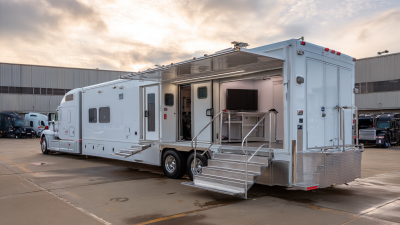
Evaluating the Key Features of Mobile CT Systems for Healthcare Facilities

Choosing the right mobile CT system for your healthcare facility requires careful evaluation of key features. According to a recent industry report, over 70% of healthcare providers prioritize image quality when selecting imaging equipment. High-resolution images can enhance diagnostic accuracy, and this is essential for effective patient care.

Portability is another significant aspect. A mobile CT unit should easily navigate through tight spaces. Facilities report that maneuverability can reduce patient wait times, ultimately enhancing operational efficiency. However, some models may lack this essential feature, causing frustration among staff and delays in patient care.

Cost-effectiveness also plays a vital role in decision-making. According to analysis, around 65% of facilities consider total cost of ownership in their assessments. This includes maintenance and training costs. A cheaper initial price might tempt some buyers, but hidden costs can add up quickly. Conducting a thorough cost-benefit analysis is fundamental for avoiding pitfalls that lead to financial strain down the line. Realistic evaluations will lead to better choices in mobile CT imaging systems.

Analyzing Cost Considerations for Mobile CT Imaging Acquisition

Cost is a significant factor when considering mobile CT imaging. Facilities must assess both initial acquisition costs and ongoing operational expenses. This includes maintenance, staff training, and facility upgrades. Budget constraints can limit choices, so understanding these costs is crucial.


A thorough analysis should include potential reimbursement rates. Some facilities may not recoup costs as expected. There could be hidden costs associated with installation and training. This creates a need for careful financial planning.


Ultimately, purchasing mobile CT imaging requires a deep understanding of both market trends and operational needs. Facilities often overlook future service costs. This can lead to unexpected financial strain later on. It is vital to create a comprehensive financial plan that reflects realistic usage and reimbursement scenarios. Proper analysis can help avoid costly mistakes.

Assessing the Impact of Mobile CT Imaging on Patient Care and Workflow

How to Choose the Right Mobile Ct Imaging for Your Healthcare Facility?

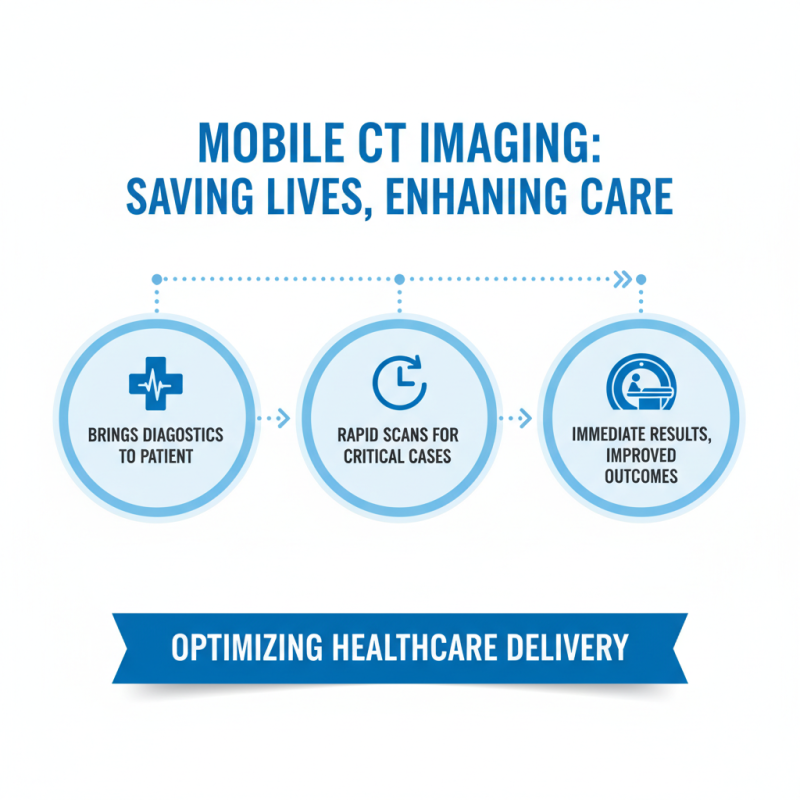
Mobile CT imaging presents unique benefits for healthcare facilities. Its ability to bring diagnostic imaging directly to patients enhances care. When patients are too ill to move, a mobile unit can provide quick scans. This immediacy can save lives in critical situations.

However, implementing mobile CT imaging requires careful planning. Staff must be trained to operate these systems effectively. There may be challenges in maintaining image quality compared to stationary units. Workflow impacts can also arise, leading to potential bottlenecks if not managed well. Facilities must assess spatial constraints carefully. Positioning the mobile unit optimally is essential for efficient use.

Patient care can improve when these challenges are addressed. Integrating mobile CT into routine workflows can streamline processes. This helps reduce waiting times and enhances overall patient experience. Yet, ongoing feedback and adjustments are necessary to refine the workflow continually. Balancing technology, staff training, and patient needs is crucial for success.

Exploring the Future Trends in Mobile CT Imaging for Healthcare Providers

The future of mobile CT imaging in healthcare is promising. Technological advancements are reshaping how we deliver care. Mobile CT units are becoming more sophisticated, offering high-resolution imaging in various settings. Facilities can now provide quick diagnostics, improving patient outcomes significantly.

Integration of AI in mobile CT systems is a hot trend. It enhances image analysis and reduces human error. However, reliance on technology raises questions. Are we ready to trust machines with vital health decisions? Additionally, there are challenges. Not all staff are trained to use advanced systems. This gap can lead to inefficiencies and potential risks in patient care.

Telemedicine is another notable trend. Mobile CT imaging supports remote patient assessments. This capability expands access to healthcare in underserved areas. Still, connectivity issues can hinder effectiveness. Facilities must ensure reliable internet access. As mobile CT imaging evolves, healthcare providers must reflect on these trends and their impacts. Embracing technology is essential, but we need a balanced approach to safeguard quality care.

How to Choose the Right Mobile CT Imaging for Your Healthcare Facility?

Feature Importance Current Trends Future Opportunities
Image Quality High Importance Advancements in detector technology Integration with AI for enhanced imaging
Portability Essential Compact designs for easier transport More modular designs for flexible uses
Cost Efficiency High Importance Affordable options with essential features Innovative financing models for healthcare facilities
User-Friendliness Essential Simplified interfaces for quicker operation Incorporation of touchscreen technology
Connectivity High Importance Enhanced networking capabilities Cloud integration for data access