In the evolving landscape of healthcare, choosing the right Mobile Imaging Services is crucial. As reported by the Healthcare Imaging News, the demand for mobile imaging has surged by over 30% in recent years. Many patients now prefer the convenience and accessibility that mobile services provide. With mobile imaging, patients can receive essential imaging procedures right at their doorstep.
Dr. Emily Chen, a leading expert in mobile healthcare solutions, states, "Mobile imaging services bridge the gap between patients and essential diagnostic care." This highlights the critical role these services play in modern healthcare. However, with numerous options available, selecting the best provider can be overwhelming.
Consider the technology used. Not all providers utilize the same imaging equipment. The quality of imaging and turnaround time can vary greatly. Assessing customer reviews can inform decisions but may not provide the full picture. Each provider has its strengths and weaknesses that require careful evaluation. Balancing convenience with quality is essential in this critical choice.

Choosing the right mobile imaging services can be daunting. Understanding your specific imaging needs is crucial. According to recent industry reports, 70% of healthcare providers believe that tailored imaging solutions improve patient outcomes significantly. What does your facility require? Is it high-resolution imaging, faster turnaround times, or advanced technology?
Consider workflows and patient demographics as well. Mobile imaging may include X-rays, MRIs, or ultrasounds. Each requires different equipment and personnel. Data indicates that facilities with customized imaging services see a 30% increase in efficiency. It's vital to evaluate if flexibility in service delivery aligns with your operational needs. However, not all providers can meet every requirement. You might face limitations in certain regions.
Additionally, budget constraints can complicate this process. An investment in mobile imaging should provide long-term value, but initial costs can be high. Some organizations find that upfront savings compromise quality or service reliability. Regular assessments of your imaging needs can help you avoid costly mistakes. Engage with stakeholders and keep communication lines open for the best results.
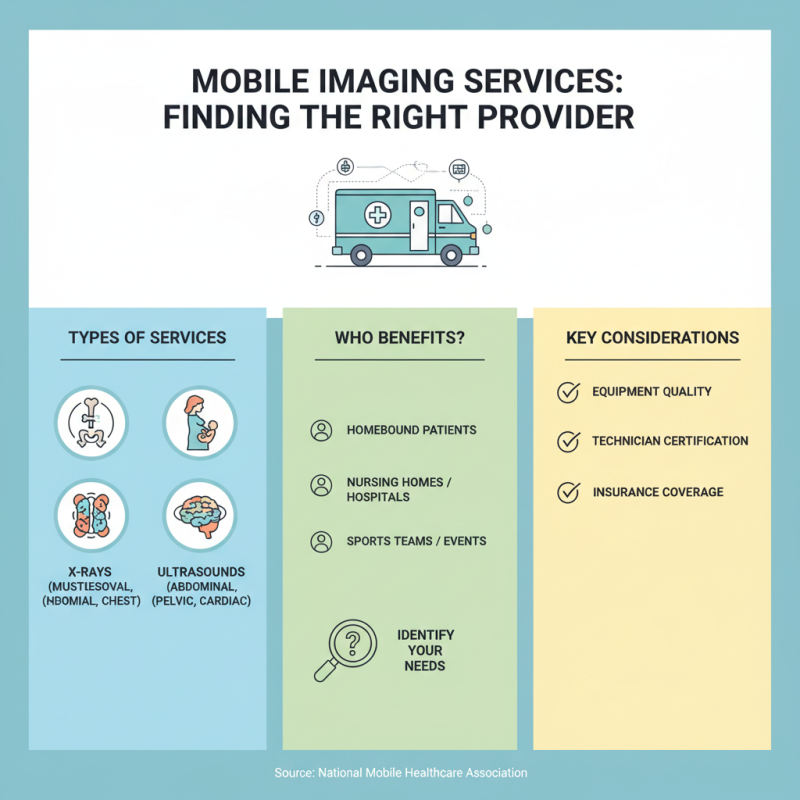
When searching for mobile imaging services, it’s essential to consider the variety of options offered. Different companies specialize in various imaging procedures. Some focus on X-rays, while others may provide ultrasounds or MRIs. Identifying your specific needs helps target the right provider.
Pay attention to the equipment and technology used. Modern imaging solutions often lead to clearer results. However, newer devices might not always ensure better service. Sometimes, experience matters more than the latest gadget. Assess the qualifications of the technicians as well. Their expertise influences the quality of the imaging process.
Another important factor is scheduling flexibility. Some companies offer on-site services, making it easier for patients. Yet, not all providers can accommodate urgent needs. Evaluate if they can respond quickly. Additionally, consider costs. Prices can vary significantly across providers. It’s vital to understand what you get for the price. Balancing cost against quality can be tricky.
When selecting mobile imaging services, evaluating the quality and technology they use is crucial. High-quality imaging can significantly impact diagnosis and treatment plans. Look for companies that employ advanced imaging technology. Equipment should be regularly maintained and calibrated for accuracy. An outdated machine may produce unclear images. Clarity is essential for effective evaluations.
Tips: Check reviews from previous clients. Feedback can highlight strengths and weaknesses. Ask about the imaging experts' qualifications. A trained professional ensures the interpretation of images is accurate.
Also, consider the range of services offered. Some providers may focus solely on specific imaging types. This limitation could restrict your options. It's worthwhile to find a service that combines various imaging modalities. Be cautious if a company offers unusually low prices. Quality often comes at a cost, so weigh your options carefully.
| Service Type | Technology Used | Image Quality | Turnaround Time | Customer Ratings |
|---|---|---|---|---|
| X-ray Imaging | Digital detectors | High resolution | 1-2 hours | 4.5/5 |
| Ultrasound | Portable ultrasound machines | Clear and detailed | 30-60 minutes | 4.7/5 |
| MRI Scans | High-field MRI systems | Exceptional detail | 3-4 hours | 4.8/5 |
| CT Scans | Multislice CT scanners | High precision | 1 hour | 4.6/5 |
| Mammography | 3D mammography units | Detailed imaging | 1 hour | 4.9/5 |
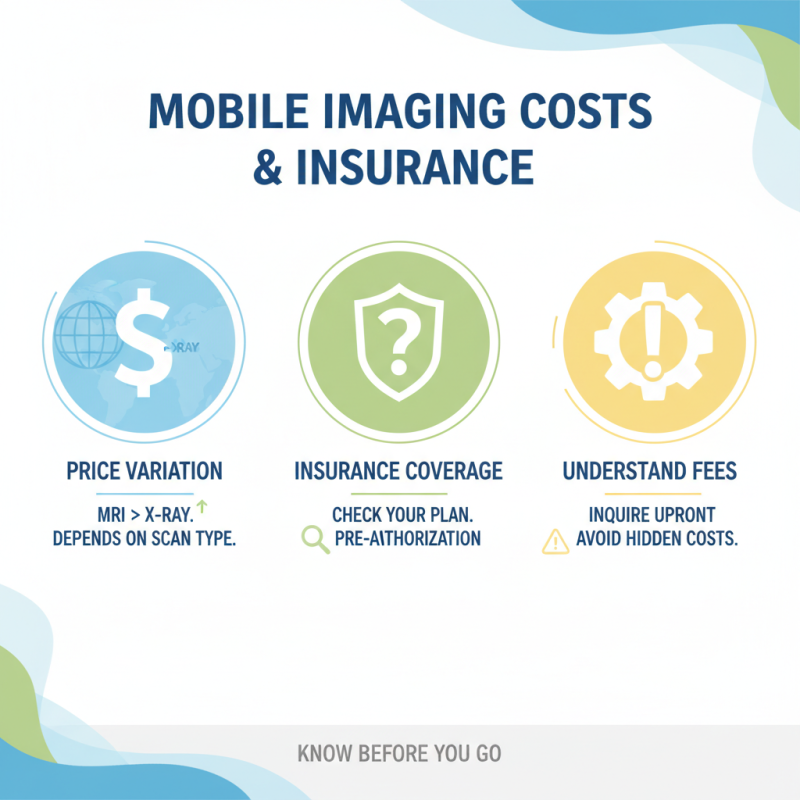
When selecting mobile imaging services, understanding costs and insurance coverage is crucial. Prices can vary widely based on the type of imaging needed. For example, MRI scans might cost more than X-rays. It's essential to inquire about pricing upfront. Hidden fees can catch you off guard later.
Insurance coverage presents another layer of complexity. Some insurers cover mobile services, while others do not. Check with your provider beforehand. Ask about specific imaging types and if they are covered. Some insurance policies have exclusions that may surprise you.
Consider the implications of choosing a service without full knowledge of your coverage. You could end up with a hefty bill. Weigh the urgency of imaging needs against your budget. It's important to balance quality care with financial responsibility. Reflect on whether an immediate scan is worth potential out-of-pocket costs. This decision can shape your overall experience with mobile imaging.
When selecting mobile imaging services, customer feedback plays a crucial role. Reports indicate that 70% of healthcare providers prioritize patient reviews when choosing imaging partners. This underlines the importance of reputation in the industry. For instance, hospitals often consult platforms where patients share their experiences. A single negative review can deter potential clients, while a positive testimonial can significantly boost credibility.
Moreover, industry studies reveal that 85% of consumers trust online reviews as much as personal recommendations. This statistic highlights the impact of genuine feedback. Patients often mention factors like speed, accuracy, and technician professionalism. These aspects can reflect the quality of service offered by imaging providers. However, an over-reliance on ratings can lead to biases. Some providers may manipulate feedback, presenting a less-than-true image of their services.
Furthermore, it is essential to consider how imaging companies address complaints. Efficient resolution of issues can indicate a provider's commitment to patient satisfaction. Some reports suggest that over 40% of patients experience dissatisfaction due to poor communication. Hence, analyzing how providers handle reviews and complaints is vital in decision-making. This scrutiny ensures that the chosen service can meet specific needs and expectations.