Buying Ursolic Acid Powder in 2026 calls for more than comparing prices. A low-cost listing can look convincing, yet leave basic questions unanswered. What is the botanical source? How was the material identified? Does the batch report match the product being offered?
For a careful purchase, start with the paperwork. Request a current certificate of analysis tied to the specific lot. Check the stated ursolic acid assay, test methods, and laboratory details. Review the specification for appearance, moisture, and relevant contaminants. A clean-looking powder is not proof of purity. Neither is a polished product page.
Supplier communication matters, too. Ask how the material is produced, packaged, and stored. Confirm that the sample, technical documents, and commercial batch refer to the same grade. Small inconsistencies deserve follow-up. They may have an innocent explanation, but they should not be ignored.
A useful sourcing principle is simple: “Trust the batch evidence, not the sales language.” No verifiable named-expert quotation was supplied, so this guide does not assign that sentence to a real specialist. That distinction matters. Reliable buying advice should be traceable, not decorated with invented authority.
This guide will help buyers assess specifications, documentation, supplier responses, and practical purchasing risks in 2026. It is not a substitute for independent testing or qualified technical advice. Some details may still require confirmation directly with the supplier. That is part of responsible sourcing.
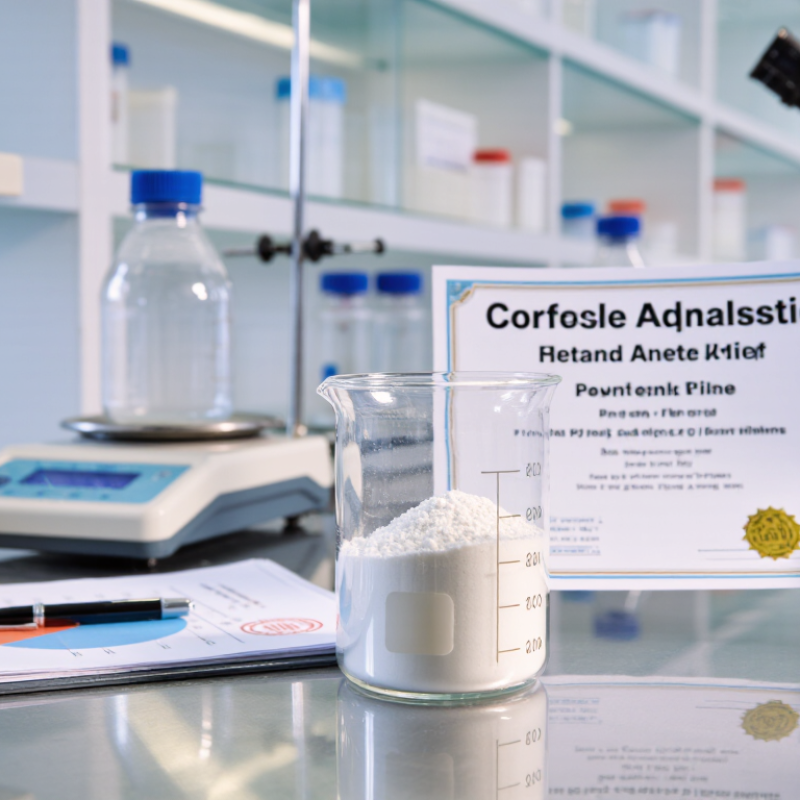
Ursolic acid is a plant-derived compound found in foods such as apple peel and rosemary. Powder is a concentrated ingredient, not simply dried fruit or herb. Its intended use matters: products may be sold for different purposes, and a powder is not automatically suitable for eating. Research on potential health effects is still developing. It should not be treated as a proven way to prevent or treat disease.
Before buying, check whether the product is explicitly intended for human consumption. Read the ingredient list, serving directions, and storage instructions. Look for a current, lot-specific certificate of analysis that identifies the material and reports testing for purity and contaminants. A polished label alone tells you little. Details can be easy to miss, and even clear documentation may not answer every question. If you take medication, have a health condition, or are pregnant, ask a qualified healthcare professional before using it.
Tips: Compare the stated purity with the test report, check the batch number, and contact the seller if documents are vague. Store the powder as directed. Keep expectations measured.

How to Buy Ursolic Acid Powder in 2026?
Before ordering, check how your country or state classifies ursolic acid for its intended use. Rules may differ for foods, supplements, cosmetics, and laboratory handling. A substance permitted in one category may not be permitted in another. Confirm requirements with the relevant health, food, or product-safety authority. If the rules are unclear, consult a qualified compliance professional. Do not rely on a seller’s claim that a product is “approved everywhere.”
Request documents for the exact lot you plan to buy. These should include a dated certificate of analysis, identity and assay results, and relevant tests for heavy metals, microbes, and residual solvents. Check that the testing laboratory and methods are identified. A polished PDF alone proves little. Ask for traceability, storage conditions, shelf life, and a safety data sheet. Small details matter.
Review labeling and import rules before paying. Check whether labels require ingredient information, warnings, net quantity, or local-language text. Confirm customs documents and any import limits. Keep the supplier’s written answers and record the package’s lot number. If basic safety records are unavailable, pause. A complete file can still leave questions about whether its sample represents the product. Verify independently when the intended use carries higher safety risks.
Evaluate Purity, Specifications, and Testing Documents
A polished certificate of analysis is not proof by itself. Check that it names the lot, test date, method, result, and laboratory. For purity, request an HPLC chromatogram and the assay basis: as received or dry weight. A buyer might set a 95% minimum as an internal screening target, but this is not a universal industry standard. The specification should fit the intended use. Small detail, big difference.
Review identity and contaminants separately. The World Health Organization’s 2011 Quality Control Methods for Herbal Materials describes tests such as chromatography, moisture determination, and contaminant screening. Ask for results for heavy metals, residual solvents, and microbial quality, not a generic “pass.” USP General Chapter <561> provides guidance for articles of botanical origin, while ISO/IEC 17025 accreditation helps assess a laboratory’s testing competence. Confirm the lab’s accredited scope includes the actual method used; accreditation alone does not validate every assay.
Compare the supplier’s specification with the report, line by line. Look for units, detection limits, and method references. A result of “not detected” is incomplete without its reporting limit. Request the raw chromatogram when practical, plus the reference standard and method validation details. I would also ask whether the sample came from the finished lot or a retained bulk sample. That distinction can be overlooked. Keep the documents with the lot record, and flag mismatched dates or unclear sample IDs before purchase.
How to Buy Ursolic Acid Powder in 2026?
Compare Suppliers, Pricing, and Purchase Terms
Buying ursolic acid powder calls for more than comparing price per kilogram. The American Botanical Council’s HerbalGram market report estimated U.S. herbal supplement sales at $12.6 billion in 2023, a 4.2% rise from 2022. That figure signals a sizable botanical market, but it does not verify any individual ingredient or supplier. Request a current certificate of analysis tied to the offered batch. Check assay method, identity testing, botanical source, and test dates. Ask for the evidence. A polished PDF alone is not batch verification.
Compare at least three written quotations using the same specification. Record assay level, particle size, packaging, minimum order quantity, and sample cost. Ask whether heavy metals, residual solvents, and microbiological limits are tested, and request results rather than a simple “pass.” A weak point in many comparisons is the test method: identical purity claims may come from different methods. If possible, have an independent laboratory confirm a retained sample before a large purchase.
The lowest quote may exclude freight, insurance, or customs handling. Compare delivered cost, payment schedule, production lead time, shelf life, and remedies for off-specification goods. Confirm Incoterms and who pays for retesting or replacement. Clarify whether the quoted price is fixed through shipment or can change with raw-material availability. Keep the commercial terms in writing. Small details matter. A rushed comparison can miss them.
Before confirming an order for ursolic acid powder, compare the quotation with the product specification. Check the stated purity, test method, grade, net weight, and packaging. Request a certificate of analysis tied to the exact batch, along with a safety data sheet. Confirm the lead time, shipping conditions, payment terms, and total cost in writing. Small details matter. If a document lists a different batch number, ask for clarification before paying. It is easy to rush this step; a few careful questions can prevent avoidable confusion later.
When the shipment arrives, inspect the seal, label, and batch number before storing it. Keep the powder in its original, tightly closed container unless the supplier provides different instructions. Choose a clean, dry place away from direct sunlight, heat, and moisture. Follow the product label or supplier guidance for the precise storage temperature; do not guess. Record the receipt date and batch number, and use a clean, dry scoop to avoid introducing moisture or debris. I would not assume that every powder has identical storage needs. If the packaging is damaged or the instructions are unclear, pause and contact the supplier before use.
Before confirming your order, verify the product specification, quantity, packaging, shipping conditions, and required documents with the supplier. The chart shows general controlled-temperature reference ranges—not product-specific storage instructions. Follow the supplier’s label and documentation for ursolic acid powder.
General reference: controlled room temperature is 20–25°C; refrigerated storage is 2–8°C. Confirm the appropriate conditions for the specific material before placing it into storage.