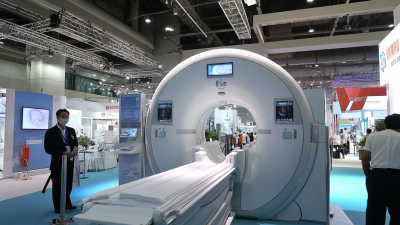
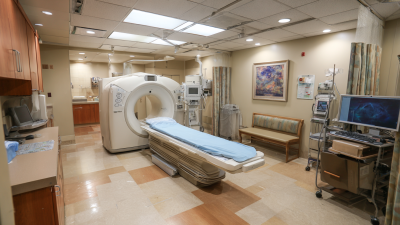
In 2026, the landscape of Mobile CT Units is set for transformation. Experts in the field, such as Dr. Emily Carter, a leading radiology specialist, emphasize the importance of innovation. She states, "Mobile CT Units are revolutionizing patient care in remote areas."
These advanced technologies offer flexibility and accessibility. Mobile CT Units can deliver vital imaging services directly to patients who might otherwise face barriers. They enhance diagnostic capabilities, even in the most challenging environments. Consider the impact during natural disasters when traditional imaging centers may be inaccessible.
However, there are challenges. The integration of Mobile CT Units requires careful consideration of logistics and training. These units must ensure high-quality imaging while maintaining patient safety. Overall, the future of Mobile CT Units is promising, yet it invites reflection on how to maximize their potential effectively.
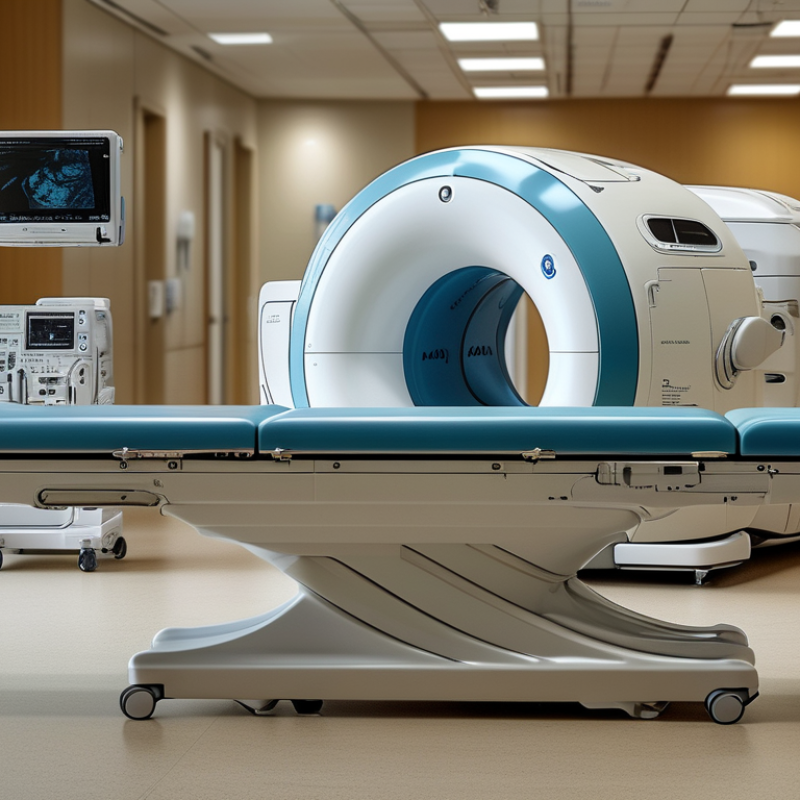
The mobile CT unit market is evolving rapidly. As we approach 2026, several trends are emerging that could shape future selections for global buyers. Technological advancements are increasingly making these units more compact and efficient. New detectors allow for improved imaging quality, making scans quicker and more accurate. This is particularly beneficial for emergency settings where time is critical.
Another key trend is the integration of AI capabilities. AI can enhance image interpretation and automate some processes, making the units not only more effective but also user-friendly. Furthermore, there is a growing focus on portability and ease of transport. Users need solutions that can be easily moved between locations, particularly in rural or underserved areas.
Despite these advancements, challenges remain. Some buyers may find it difficult to keep up with rapid technological changes. Training staff on new features is essential, but it can be resource-intensive. Additionally, the high initial investment for these advanced units may deter some facilities from making a switch. Balancing cost with the need for advanced technology is an ongoing dilemma. The landscape of mobile CT units will likely continue to change, reflecting the complex needs of healthcare providers globally.
When selecting mobile CT units, several key features demand attention. Image quality is paramount. High-resolution imaging ensures accurate diagnosis and treatment planning. Look for units providing detailed, clear images even in challenging conditions. This feature plays a pivotal role in healthcare settings where precision is critical.
Portability also stands as a vital consideration. A lightweight design enables easier transportation. Units should fit through standard doorways and be maneuverable within tight spaces. Assess the battery life, too. Extended battery capacity allows for greater flexibility, especially in emergency situations. The integration of advanced software can enhance usability and efficiency.
User-friendliness often lacks sufficient evaluation. An intuitive interface can expedite training for new staff and reduce errors. Healthcare professionals benefit from units that respond quickly to their needs. Ease of maintenance is another aspect to reflect upon. Reliable, hassle-free servicing extends the unit's lifespan and assures consistent performance. Each feature may seem less significant in isolation, but together they form a comprehensive solution for modern medical challenges. Careful reflection on these points can guide thoughtful decision-making.
| Model | Weight (kg) | Scan Speed (seconds) | Detector Type | Slice Thickness (mm) | Power Requirements (kW) |
|---|---|---|---|---|---|
| Model A | 300 | 0.5 | Solid State | 0.5 | 25 |
| Model B | 250 | 0.7 | Flat Panel | 1.0 | 20 |
| Model C | 350 | 0.6 | Scintillator | 0.75 | 30 |
| Model D | 280 | 0.4 | Hybrid | 0.6 | 22 |
The mobile CT unit market has experienced significant changes recently. Demand for these units has surged due to their flexibility and efficiency. Hospitals in remote areas are increasingly adopting mobile CT solutions. This shift results from the need for quick diagnostics and efficient patient care.
Projected growth estimates indicate that the market for mobile CT units could reach new heights by 2026. Innovations in technology continue to drive this trend. However, challenges remain. Many facilities struggle with integration into existing systems. Additionally, training staff to operate these advanced machines requires ongoing investment.
Future opportunities exist for manufacturers and healthcare providers. As hospitals embrace a hybrid model, mobile units fit seamlessly into patient care strategies. Healthcare professionals must remain adaptable as competition grows. Collaboration between tech developers and end-users will be crucial for success. This dynamic environment requires constant reflection and responsiveness to ensure that patient outcomes improve while staying mindful of operational efficiencies.
Mobile CT technology is rapidly evolving, playing a critical role in diagnostics across various medical settings. In 2026, numerous manufacturers are expected to introduce innovative features, enhancing image quality and portability. According to a recent industry report, the global mobile CT market is projected to grow at a CAGR of 8.4% from 2021 to 2026, driven primarily by rising demand for point-of-care imaging solutions.
Technological advancements are crucial for manufacturers in this sector. Recent innovations include real-time imaging capabilities and improved software algorithms. These enhancements allow for quicker diagnoses, leading to better patient outcomes. However, challenges remain, including the integration of mobile systems with existing hospital infrastructures. Ensuring compatibility can be complex, necessitating ongoing training and support for healthcare providers.
Cost remains a significant barrier for many facilities. Mobile CT units can be expensive, particularly for smaller healthcare providers. As technology evolves, finding a balance between affordability and advanced functionality will be essential. Collaboration among stakeholders is vital to address these issues. Focusing on accessible solutions will enhance the overall impact of mobile CT technology in the healthcare landscape.
As global buyers prepare for 2026, understanding the costs of mobile CT units becomes crucial. Prices can vary significantly based on features and capabilities. Buyers should prioritize their needs before diving into the market. For instance, some may require units with advanced imaging technology, while others may choose simpler models for basic diagnostics.
Budgeting is not just about the purchase price. Operational costs, maintenance, and potential upgrades must also be considered. A unit that fits the budget today may require more investment later. Buyers should assess the total cost of ownership. Financial planning should include training personnel to operate these units efficiently.
It's essential to analyze various factors when making a buying decision. There may be unforeseen expenses that arise over time. Misjudging the budget can lead to financial strain. Make sure to account for all variables involved. Engage with experts and conduct thorough research to avoid pitfalls.