Why is an Autoclave Vessel Essential for Sterilization?
The Autoclave Vessel is a cornerstone in the world of sterilization. It serves a critical role in various industries including healthcare, laboratories, and food production. This specialized equipment uses high-pressure steam to eliminate microorganisms effectively. Understanding its importance can reveal the broader implications of sterilization in ensuring safety and efficacy in these fields.
An Autoclave Vessel operates under specific conditions. The combination of heat and pressure ensures that even the toughest pathogens are destroyed. However, achieving perfect results can be tricky. Factors like time, temperature, and load configuration can impact the process. Sometimes, users overlook these details. A simple miscalculation can lead to ineffective sterilization.
The need for proper training and maintenance is vital. Regular checks can enhance the performance of an Autoclave Vessel. Yet, some users might not prioritize this aspect. Ignoring these factors can result in dire consequences. Thus, the reliance on this vessel should be paired with thorough knowledge and discipline. This relationship shapes the reliability of sterilization and, ultimately, the safety of the products pertained.
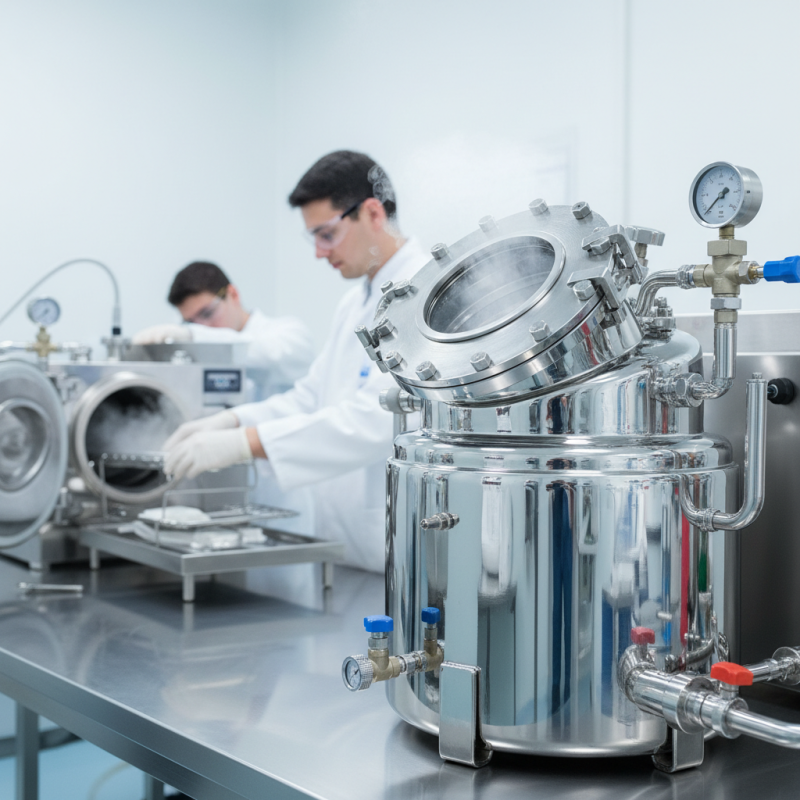
Functions and Benefits of Autoclave Vessels in Sterilization
Autoclave vessels play a crucial role in sterilization. They use high-pressure steam to eliminate bacteria, viruses, and spores. This process ensures instruments and materials are safe for clinical use. The intense heat and pressure significantly increase the effectiveness of sterilization. The result is a thorough cleaning that is hard to achieve with other methods.
In practical applications, autoclaves are commonly used in hospitals and laboratories. They can sterilize surgical instruments, glassware, and even certain textiles. However, improper loading can lead to incomplete sterilization. If items are packed too tightly, steam may not circulate properly. Additionally, not all materials can withstand high temperatures without damage. Some plastics may warp, requiring careful selection when sterilizing.
The benefits of using an autoclave vessel are clear. It offers reliability and efficiency in maintaining a sterile environment. Regular maintenance of the autoclave is essential for optimal performance. Users should also continuously assess the sterilization cycle's effectiveness. This ensures that all items receive adequate exposure to steam and pressure, addressing potential gaps in the sterilization process.
Principles of Sterilization: How Autoclaves Achieve Microbial Elimination
Autoclaves use high pressure and steam to eliminate microbes effectively. The principle behind this method lies in the combination of heat, time, and pressure. According to industry reports, a temperature of 121°C for at least 15 minutes can kill most bacteria and spores. This makes autoclaves a favorite in medical and laboratory settings.
The process is not as simple as it sounds. It requires proper loading techniques. Overloading can lead to uneven sterilization. Inadequate steam penetration can leave some areas unsterilized. It's vital to follow guidelines strictly to ensure effective sterilization.
Tips: Always check the autoclave's pressure gauge. Make sure it's within the required range. Use appropriate indicators to confirm successful sterilization. Regular maintenance is a must.
Proper training for personnel is crucial. Mistakes often occur due to lack of knowledge. Regularly revise protocols and procedures. Even experienced staff can overlook details. Continuous education ensures that everyone is up-to-date.
Key Components of an Autoclave Vessel and Their Roles
Autoclave vessels play a crucial role in sterilization processes. They create a pressurized environment to kill microorganisms. Key components ensure everything functions properly.
The pressure gauge is vital. It monitors the internal pressure of the vessel. Accurate readings are essential for achieving successful sterilization. A report from the Journal of Applied Microbiology indicates that improper pressure can compromise the sterilization process by up to 50%.
The steam generator is another critical component. It produces the saturated steam required for sterilization. Saturated steam effectively penetrates items, ensuring thorough extermination of germs. Additionally, the safety valve must function correctly. It prevents over-pressurization and potential explosions, maintaining a safe operating environment.
Tips: Regularly inspect these components for wear and tear. Don’t overlook minor issues, as they may escalate. Additionally, keep a log of sterilization cycles. This practice helps identify patterns and potential failures over time. Remember, consistent monitoring is key to maintaining efficiency and safety.
Different Types of Items Sterilized Using Autoclave Technologies
Autoclave technology is crucial for sterilization in various fields. It is commonly used for items like surgical instruments, lab equipment, and medical waste. These items often carry bacteria, viruses, and other pathogens. The high-pressure steam kills these microorganisms effectively. Each item requires specific time and temperature settings to ensure complete sterilization.
Tips: Always check load capacity. Overloading can lead to ineffective sterilization results. It is important to arrange items properly in the autoclave. Place heavier items at the bottom. Lighter items should go on top. This ensures steam circulation.
Additionally, items like textiles and glassware are also suitable for autoclaving. Textiles need to be placed in packs to allow steam to penetrate. Glassware should be free of cracks. Otherwise, cracks may worsen during the process. Keep in mind maintainance of the autoclave device too. Regular checks help ensure safety and efficiency.
Sometimes, people assume that everything can be autoclaved. That’s not true. Certain plastics cannot withstand high temperatures. Researching compatibility of materials is essential. An improper understanding can lead to damaged items. It is vital to take the time to learn about what can or cannot be sterilized.
Why is an Autoclave Vessel Essential for Sterilization? - Different Types of Items Sterilized Using Autoclave Technologies
| Item Type | Common Uses | Sterilization Temperature (°C) | Sterilization Time (minutes) |
| Surgical Instruments | Used in hospitals for surgical procedures | 121 | 30 |
| Laboratory Glassware | Used in research and analytical labs | 134 | 18 |
| Biohazard Waste | Disposal of infectious or hazardous materials | 121 | 60 |
| Textiles (e.g., surgical drapes) | Used in medical settings | 134 | 30 |
| Culture Media | Used for growing micro-organisms in labs | 121 | 15 |
Factors Influencing the Effectiveness of Autoclave Sterilization
Autoclave sterilization is a crucial process in healthcare and laboratory settings. Several factors affect its effectiveness. First, the temperature must reach a specific level to kill microorganisms. If the temperature is too low, some pathogens could survive. The standard for most autoclaves is 121 degrees Celsius for at least 15 minutes. However, variables such as load size and density can influence how heat penetrates materials.
Another key factor is the type of material being sterilized. Some plastics may not withstand high heat, leading to potential failure in sterilization. Similarly, items that are tightly packed may not allow steam to circulate effectively. It’s essential to arrange items properly in the autoclave. Insufficient steam exposure means bacteria might persist.
Lastly, the duration of the sterilization cycle matters. Many facilities may not follow recommended guidelines due to time constraints. Rushing through sterilization can compromise the process. It's vital to monitor and adjust operational procedures regularly. Understanding these factors helps ensure that autoclave vessels provide effective sterilization.
